
New Testament passages that explicitly present Jesus as God or apply divine names/attributes to him
-
John 1:1–3, 14 — “In the beginning was the Word... and the Word was God... and the Word became flesh.”
Why it matters: The gospel’s opening identifies the Logos with God and then says the Logos became incarnate (Jesus), which directly asserts Jesus’ pre-existence and deity. -
John 8:58 — “Before Abraham was, I am.”
Why it matters: Jesus uses the divine “I AM” (cf. Exodus 3:14). Jewish listeners understood this as a claim to the divine name. -
John 10:30–33 — “I and the Father are one.” (plus Jews attempt to stone him for blasphemy)
Why it matters: Jesus’ claim of oneness with the Father—interpreted by the Jewish audience as a divine claim—leads to an accusation of blasphemy. -
John 20:28 — (Thomas) “My Lord and my God!”
Why it matters: Thomas addresses the risen Jesus with a direct confession of deity; Jesus accepts the address without correction. -
Colossians 1:15–17 — “He is the image of the invisible God. All things were created through him and for him.”
Why it matters: Presents Christ as the creator and sustaining agent of the universe—roles ascribed to God. -
Colossians 2:9 — “For in him the whole fullness of deity dwells bodily.”
Why it matters: Explicit statement that the fullness of God dwells in bodily form in Christ. -
Hebrews 1:1–3 — “In these last days he has spoken to us by his Son... He is the radiance of the glory of God and the exact imprint of his nature.”
Why it matters: The Son is presented as the final and definitive revelation of God, sharing God’s nature and sustaining all things. -
Titus 2:13 — “our great God and Savior Jesus Christ.”
Why it matters: Paul uses the combined title “God and Savior” of Jesus—an explicit ascription of deity. -
Romans 9:5 — “...Christ, who is God over all, blessed forever. Amen.”
Why it matters: A Pauline doxology that calls Christ “God over all.” -
Philippians 2:5–11 — The hymn that describes Christ existing in the form of God, humbled, then exalted so that every knee should bow.
Why it matters: Affirms pre-incarnate divine status (“form of God”), incarnation/humiliation, and universal divine worship—language reserved for God. -
2 Peter 1:1 — “our God and Savior Jesus Christ.”
Why it matters: Peter applies the same “God and Savior” title to Jesus as Titus 2:13 does. -
Revelation 1:8 — “I am the Alpha and the Omega,” says the Lord God, “who is and who was and who is to come” (and compare Rev 22:13: “I am the Alpha and the Omega, the first and the last, the beginning and the end.”)
Why it matters: Titles and eternal descriptors used of Yahweh are applied to Christ elsewhere in Revelation (cf. Rev 22:13, Rev 1:17–18). -
Revelation 22:12–13 — “Behold, I am coming soon... I am the Alpha and the Omega, the first and the last, the beginning and the end.” (spoken by the risen One, identified with Christ).
Why it matters: The exalted Christ uses divine titles and authority. -
John 1:18 — “No one has ever seen God; the only God, who is at the Father’s side, he has made him known.”
Why it matters: Jesus is called “the only God” (some translations/readings; note textual variants), or “the only-begotten God/son,” emphasizing unique divine revelation in Christ. -
Hebrews 1:8–9 (quoting Psalm 45) — “Your throne, O God, is forever and ever” addressed to the Son.
Why it matters: The Father (or the author) applies language from the Psalms—words for God’s eternal throne—to the Son. -
Acts 20:28 — “God purchased the church with his own blood.” (some manuscripts: “the church of God, which he obtained with his own blood.”)
Why it matters: If “God” is understood as referring to Christ (context identifies the Lord who gave himself), it implies Christ’s sacrificial blood is the means of purchasing the church—an act attributed to God. -
John 14:9–11 — “Whoever has seen me has seen the Father... the Father is in me and I am in the Father.”
Why it matters: Jesus claims that seeing him is seeing the Father; again, a close identification with God. -
Matthew 28:18–20 — “All authority in heaven and on earth has been given to me... baptizing them in the name of the Father and of the Son and of the Holy Spirit.”
Why it matters: Jesus claims universal authority (a divine prerogative) and co-names the Son with the Father and Spirit in baptismal formula—communicating equality in the Godhead. -
John 5:18 — “[The Jews] sought to kill him, because he was even calling God his own Father, making himself equal with God.”
Why it matters: The Jewish leaders interpret Jesus’ words as a claim to equality with God. -
Mark 2:5–12 / Luke 5:20–24 — Jesus forgives sins and the scribes ask, “Who can forgive sins but God alone?”
Why it matters: Forgiving sins is presented as an exercise of divine prerogative; Jesus forgives and demonstrates authority by healing, implicitly asserting divine authority. -
John 17:5, 24 — Jesus speaks of the glory he had with the Father “before the world existed” and of being with the Father.
Why it matters: Speaks to pre-existence and shared glory—language that supports divine identity. -
1 John 5:20 — “We know that the Son of God has come and has given us understanding, so that we may know him who is true; and we are in him who is true, in his Son Jesus Christ. He is the true God and eternal life.”
Why it matters: Early Christian confession that the Son is “the true God.” -
John 17:3 — “And this is eternal life, that they know you the only true God, and Jesus Christ whom you have sent.”
Why it matters: Tension/parallel between knowing the Father (the only true God) and knowing Jesus whom the Father sent—New Testament shows close unity but also distinctness; other NT passages make the unity/divinity explicit. -
Matthew 1:23 — Quoting Isaiah: “They shall call his name Immanuel” (which means, God with us).
Why it matters: The name “Immanuel” is understood in the NT as a designation of God’s presence in Jesus. -
John 14:6 — “I am the way, and the truth, and the life. No one comes to the Father except through me.”
Why it matters: Exclusive mediator of salvation—role fitting divine revelation and authority.
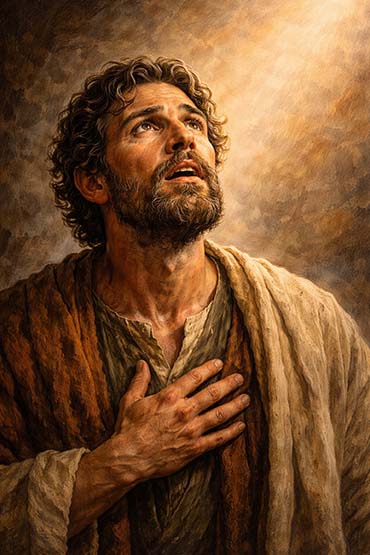
New Testament passages that ascribe divine attributes or worship to Jesus
-
Matthew 2:11 — Magi “fell down and worshiped him.”
Why it matters: Worship is due to God alone; worship of Jesus in infancy narratives signals divine honor. -
Hebrews 1:6 — “Let all God’s angels worship him.”
Why it matters: Angels are commanded to worship the Son—worship being owed to God. -
Philippians 2:9–11 — “...that at the name of Jesus every knee should bow... and every tongue confess that Jesus Christ is Lord.”
Why it matters: Universal homage and confession of Lord (Yahweh) are ascribed to Jesus. - Romans 10:9–13 — Confession that “Jesus is Lord” (Kyrios) and the citation of Joel (the Lord/Yahweh) demonstrates early Christian identification of Jesus with the Lord.
-
Matthew 14:33 — “Truly you are the Son of God.” (disciples worship after Jesus calms the storm.)
Why it matters: Disciples worship Jesus in response to his divine power over nature. -
Revelation 5:11–14 — The heavenly beings worship the Lamb (Jesus) with the same language and worship as given to God.
Why it matters: Revelation places the Lamb at the center of divine worship.
Old Testament passages Christians read as prophetic or typological pointing to the deity of the Messiah
-
Isaiah 9:6–7 — “For to us a child is born... and his name shall be called... Mighty God, Everlasting Father, Prince of Peace.”
Why it matters: Title “Mighty God” (Hebrew: El Gibbor) is applied to the coming child/son; Christians understand this as a clear Messianic claim to deity. -
Isaiah 7:14 — “Behold, the virgin shall conceive and bear a son, and shall call his name Immanuel (God with us).”
Why it matters: The name “God with us” signals divine presence in the Messiah; Matthew applies this to Jesus (Matt 1:22–23). -
Micah 5:2 — “From you shall come forth for me one who is to be ruler in Israel... whose origin is from of old, from ancient days.”
Why it matters: Predicts a ruler from Bethlehem with an eternal/ancient origin—read as indicating pre-existence. -
Psalm 2:7–12 — The Lord says to my Lord... (and Psalm 2 is cited in the NT as Messianic)
Why it matters: The distinction of “Lord” addresses and the divine decree about the Son are applied to Christ in the NT (Acts 13:33; Heb 1:5). -
Psalm 110:1 — “The LORD says to my Lord: ‘Sit at my right hand...’” (quoted by Jesus and apostles)
Why it matters: Jesus cites this to argue that the Messiah is more than David’s son; the OT verse places the Messiah at God’s right hand—authority and divine status. -
Daniel 7:13–14 — “One like a son of man coming with the clouds... his dominion is an everlasting dominion.”
Why it matters: The figure receives everlasting rule and worship; Jesus explicitly applies the title “Son of Man” to himself and this passage is used to describe his divine, eternal rule. -
Zechariah 12:10 / 13:7 (and elsewhere) — Messianic sufferings and the piercing of one whom people will mourn; NT applies these to Jesus (John 19:37; see also Zech 13:7 quoted in Matt 26:31).
Why it matters: Connects the suffering Messiah with the crucified Christ (and in John 19:37 with blood pierced). -
Malachi 3:1 — “Behold, I send my messenger... and the Lord whom you seek will suddenly come to his temple.”
Why it matters: NT links John the Baptist and the coming Lord (Jesus); anticipation of Yahweh’s coming to his temple is read as divine advent. -
Isaiah 44:6 — “Thus says the LORD, the King of Israel, and his Redeemer, the LORD of hosts: ‘I am the first and I am the last; besides me there is no god.’”
Why it matters: Revelation applies the “first and last” language to Christ, connecting OT Yahweh language with Christ’s identity (Rev 1:17; 22:13).
Old Testament Yahweh-passages and “Angel of the LORD” appearances Christians connect to the pre-incarnate Christ
-
Exodus 3:2–6 — The burning bush: “I am the God of your fathers...” and God says “I am” (Hebrew YHWH).
Why it matters: NT Jesus uses “I AM”; Christians draw typological connections between the divine “I AM” and Jesus’ self-identification (John 8:58). -
Genesis 16:7–13; Genesis 22:11–18; Judges 13 — Appearances of the “Angel of the LORD” who speaks as God, receives worship, and identifies himself as God’s presence.
Why it matters: Many Christian interpreters see these as pre-incarnate Christophanies (appearances of the Son prior to the incarnation) because the Angel speaks as God and accepts worship. -
Joshua 5:13–15 — The “commander of the army of the LORD” appears and Joshua worships him; the figure says to remove sandals as on holy ground.
Why it matters: Another OT appearance where a figure receives worship and speaks as divine presence—read as a pre-incarnate theophany by some Christians.
OT passages describing divine office, rule, or titles applied messianically and taken in the NT to refer to Jesus
-
Psalm 45:6–7 — “Your throne, O God, is forever and ever...” (applied to the king/Messiah in Hebrews 1:8).
Why it matters: Hebrews applies this address (“O God”) to the Son, reading the Psalm messianically and assigning divine throne-language to Christ. -
Isaiah 53 — The Suffering Servant (esp. verses about bearing sins, being exalted).
Why it matters: NT interprets Isaiah 53 as predicting Christ’s sacrificial atonement—bearing sins is an action associated with the divine plan of salvation accomplished by the Messiah. -
Jeremiah 23:5–6 / Zechariah 3:8–10 — Promises of a righteous Branch and a priestly-king; titles like “The LORD our righteousness” are messianic declarations.
Why it matters: Old Testament anticipations of a Davidic ruler who embodies God’s rule and salvation are read in light of Christ’s person and work.
Passages that show Jesus exercises divine functions (forgiveness, judgment, creation, sustaining, omnipotence)
-
Mark 2:5–12 / Luke 5:20–24 — Jesus forgives sins (a divine prerogative).
Why it matters: Forgiveness of sins is something only God can grant; by forgiving and backing it with healing, Jesus claims divine authority. -
John 5:21–23, 27–29 — The Father has entrusted judgment to the Son and the Son gives life.
Why it matters: Granting of resurrection/eternal life and authority to judge are divine roles assigned to the Son. -
Colossians 1:16–17 — Creation and pre-existence: all things were created through Jesus and in him all things hold together.
Why it matters: Creation language is reserved for God; applying it to Christ supports his deity. -
Hebrews 1:3 — “He upholds the universe by the word of his power.”
Why it matters: Sustaining the cosmos is an attribute of God; Hebrews attributes this to the Son. -
John 17:24 / John 3:13 — Jesus speaks of being with the Father “before the world existed” and “no one has ascended to heaven but he who descended from heaven.”
Why it matters: These texts claim Jesus’ heavenly, pre-existent status, linking him to divine eternity. -
Matthew 11:27 — “All things have been handed over to me by my Father, and no one knows the Son except the Father...”
Why it matters: Exclusive knowledge and authority are expressed in language of unique divine relationship and prerogative.
Summary remarks and interpretive caution
NT explicitness vs OT prophecy: The New Testament contains several explicit, direct statements and worship/practical consequences that identify Jesus as God (John 1, John 20:28, Colossians 2:9, Hebrews 1, Titus 2:13, etc.). The Old Testament primarily provides prophetic, typological, or theophanic material (Isaiah 9:6; Psalm 110:1; Daniel 7:13–14; appearances of the Angel of the LORD) that the NT authors read as fulfilled in Jesus and as indicating his divine nature.
Interpretation matters: Some verses are straightforward (e.g., “the Word was God” in John 1); others depend on how one interprets messianic prophecy and the ancient Jewish understanding of Yahweh language applied to the Messiah. Scholars across traditions debate some of the finer interpretive points (textual variants in John 1:18 or Acts 20:28, for example).
Worship and divine prerogatives: A consistent pattern in the NT is that people worship Jesus, Jesus accepts worship, Jesus forgives sins, exercises judgment, and is described as the agent of creation and sustainer—functions and honors reserved for God in Jewish monotheism; this pattern is central to the NT claim of Jesus’ deity.